Proceedings · Session S-183 · filed November 17, 2026
Research Funding & PolicySession paper
Ghana Commits $200 Million to Nuclear Readiness Programme by 2028
Ghana's 2027 budget allocates $200 million for a 24-month nuclear readiness programme, targeting a signed EPCF contract for a state-owned plant by December 2028.
By Tom Whitfield3 min read627 words
Summary
- Ghana will invest $200 million from January 2027 to December 2028 in nuclear power readiness.
- The programme targets a signed EPCF contract for a fully state-owned nuclear plant by December 2028.
- Nsuban in the Western Region is the preferred site; Obotan in the Central Region is the alternative.
- Ghana plans to train more than 2,000 scientists and integrate the first nuclear plant into the grid by 2030.
- The wider plan aims to cut annual $1.4 billion energy shortfalls and halve generation costs to 8 US cents/kWh.
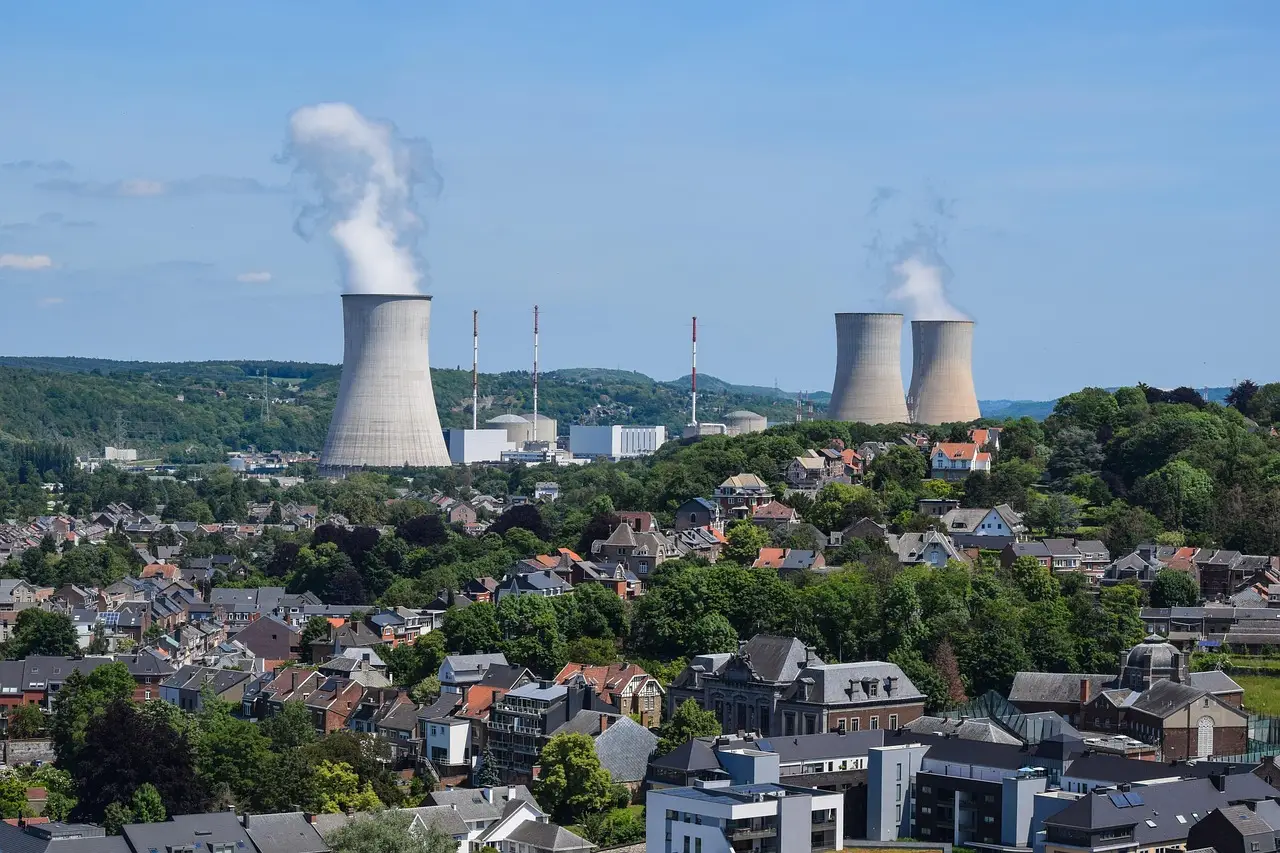
Ghana will spend $200 million over 24 months to prepare for its first nuclear power plant, with a signed engineering, procurement, construction and financing contract targeted for December 2028.
Finance Minister Dr Cassiel Ato Forson announced the programme on Thursday while presenting the 2027 Budget Statement and Economic Policy to Parliament. The readiness window runs from January 2027 to December 2028, and it will not put electricity on the grid. Dr Forson was explicit on that point: completing the programme readies Ghana to enter a construction contract, not to start generating power.
What does the $200 million actually buy?
The readiness budget covers the full pre-construction stack: site suitability work, technology selection, environmental assessment, financing structuring, licensing, safeguards, emergency planning and safety requirements.
That is a wide scope for $200 million across two years, and the budget statement offers no cost breakdown by workstream. What it does set out is the end state. "By December 2028, our target is to complete nuclear power readiness and sign the engineering, procurement, construction and financing contract for a fully state-owned nuclear base load power plant," Dr Forson told Parliament.
Ownership structure is settled early. The plant will be a strategic national asset and will not operate under an Independent Power Producer arrangement. International partners would supply technology, financing, engineering and specialist services, while the Government retains ownership.
The diplomatic groundwork predates the budget. President John Dramani Mahama said in October 2026 that Ghana had opened discussions with Russia's State Nuclear Energy Corporation, Rosatom, on building the country's first nuclear power station. No vendor contract has been announced.
Where will the plant sit?
Nsuban in the Western Region is the preferred site, with Obotan in the Central Region as the alternative. Ghanaian experts selected both following technical assessments. Ghana targets integration of the first nuclear plant into the national generation mix by 2030, with the plant supplying baseload power to complement existing hydropower and thermal generation.
The timeline is tight. A signed EPCF contract at end-2028 and grid integration by 2030 leaves roughly two years between contract and commissioning, a pace few nuclear builds anywhere have met. The budget statement presents 2030 as a target, not a measured milestone.
Who builds the workforce?
The Government plans to train more than 2,000 Ghanaian scientists to develop local expertise for the nuclear programme. No figures were given for training cost, curriculum or institutional partners.
Dr Forson framed the whole effort in sovereignty terms. "Energy sovereignty means Ghana must have control over the generation and transmission of the electricity that powers our economy," he said.
What else is in the energy package?
The nuclear programme sits inside a wider state-owned generation and grid plan announced in the same budget:
- A fully state-owned 600-megawatt solar plant paired with 2,000 megawatt-hours of battery storage
- A 1,450-megawatt thermal power plant
- $500 million between 2027 and 2030 to modernise the transmission network
- Two million prepaid meters to cut distribution losses
The investments are meant to support the phase-out of all emergency power plants by December 2030. Performance-based private sector participation in electricity distribution would be fully implemented by the end of 2027, with strategic public assets protected, according to the Minister.
What are the projected savings?
The Government currently spends $1.4 billion annually covering energy sector shortfalls, Dr Forson said. The stated aim is to eliminate that expenditure and bring generation costs down from about 16 US cents to eight US cents or less per kilowatt-hour.
Those figures are projections, not measured outcomes. Whether the $200 million readiness programme converts into a bankable contract by December 2028, and whether the Rosatom discussions mature into one, will be the milestones to watch.
via ghanabusinessnews.com (Source)
Filed under
- nuclear-power
- ghana
- public-funding
- energy-infrastructure
- nuclear-safety
More from Tom Whitfield
Show full bio
Senior reporter covering technology and product news in research and development at Hypothesis Wire.
268 articles
References
- Ghana Commits $10 Billion to Eight-Pillar Industrial Push Through 2030
- Ghana urges ITU to target last-mile connectivity as half of Africa stays offline
- Ghana research fund flags financing and trust gaps — without figures
- Sandia tops out $400M power sources facility, targets 2028 completion
- Singapore Puts S$143 Million Behind Industrial Decarbonisation R&D