Proceedings
Translational ScienceSession paper
Genomic study of 180,000 people earns Nigerian scholar L'Oréal-UNESCO award
Nigerian scholar Chisom Soremekun analysed 180,000 genomes to find type 2 diabetes variants in African populations, earning one of 38 L'Oréal-UNESCO awards with grants of €10,000–€15,000.
By Rebecca Stone3 min read611 words
Summary
- Chisom Soremekun analysed genomic data from more than 180,000 people to identify type 2 diabetes variants in African populations.
- 38 women researchers from Sub-Saharan Africa (30 doctoral, 8 postdoctoral) were recognised at the 2026 L'Oréal-UNESCO For Women in Science Awards, selected from over 1,000 applications.
- Doctoral awardees receive €10,000 and postdoctoral awardees €15,000, plus leadership and career training.
- Women make up 33.6 percent of researchers in Sub-Saharan Africa (2022 data); an Ipsos study across 117 countries found 81 percent of women scientists experienced sexism in their careers.
- UNESCO's 2025 report puts women at about one in three researchers globally and 35 percent of STEM graduates.
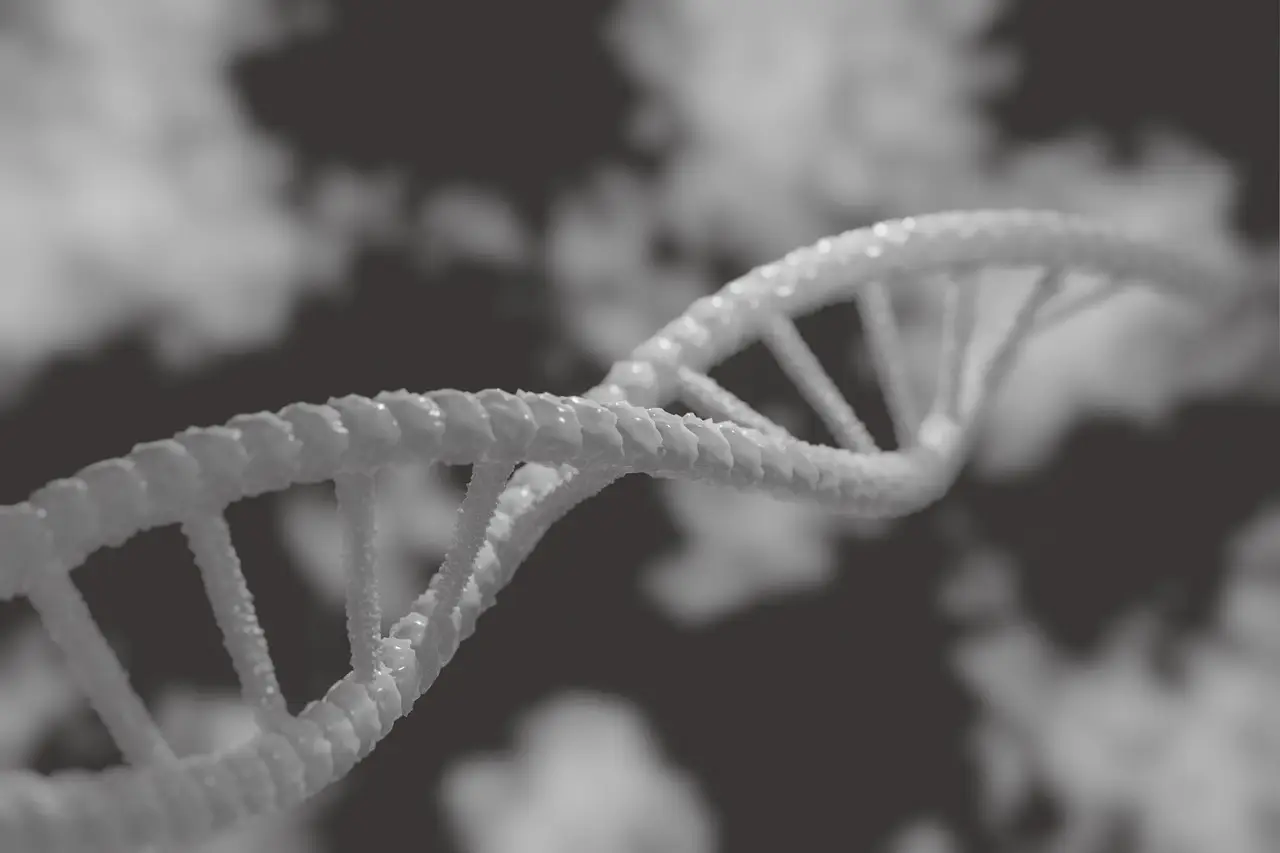
Chisom Soremekun, a Nigerian scholar, has analysed genomic data from more than 180,000 people to identify genetic variants associated with type 2 diabetes in African populations — a dataset large enough to expose variant-disease links that studies built on European cohorts routinely miss.
Her work responds to a structural problem in biomedical research: African populations remain underrepresented in the genetic studies and clinical trials that shape how diseases are understood, diagnosed and treated. Because variant frequencies and linkage patterns differ between populations, findings from one group do not transfer cleanly to another. Soremekun's research aims to supply the missing evidence base for precision medicine (treatment and prevention tailored to an individual's genetic profile) in populations where it has barely been tested.
The study earned Soremekun a place among 38 women researchers from Sub-Saharan Africa recognised at the 2026 L'Oréal-UNESCO for Women in Science Awards. The cohort of 30 doctoral and eight postdoctoral researchers was selected from more than 1,000 applications, and spans work on health, agriculture, energy, water and technology.
What does the award actually provide?
Each doctoral candidate receives €10,000; each postdoctoral researcher receives €15,000. The programme pairs the money with training in leadership, science communication and career development — support designed to act on retention and progression, not only on research costs.
Michelle Gololo, Corporate Affairs & Engagement Lead at L'Oréal Sub-Saharan Africa, framed visibility as the mechanism: "Visibility is part of the answer. When African women's research is seen, funded and cited, it changes who gets to lead and who believes they can." She added: "Our responsibility is to sustain that visibility beyond this ceremony, so these 38 women and the young women who follow them can shape the future of science."
How wide is the gap the programme targets?
UNESCO's 2025 publication, Status and Trends of Women in Science: New Insights and Sectoral Perspectives, puts women at roughly one in three researchers worldwide and 35 percent of STEM graduates. In Sub-Saharan Africa, women make up 33.6 percent of researchers, based on 2022 data.
The national figures diverge sharply, and the measurement years vary widely — a caution for anyone comparing them directly:
- South Africa: 47.6 percent (2022)
- Nigeria: 30.6 percent (2019)
- Ghana: 26.1 percent (2015)
- Guinea: 9.8 percent (2013)
The older the data point, the less it tells us about the present; Guinea's figure dates from 2013.
An Ipsos study conducted for Fondation L'Oréal, surveying researchers across 117 countries, quantifies the working conditions behind the headcount. It found 81 percent of women scientists had experienced sexism during their careers, and 49 percent had experienced sexual harassment.
What did the programme's leadership ask of the awardees?
Priscilla Baker, co-president of the 2026 programme and a former international laureate for Africa and the Arab States, argued that recognition should extend beyond money and public profile to the impact researchers create in their communities. She urged the awardees to use their positions to open opportunities for others.
"May the science that we do always serve those who walk alongside us and may the glory that we gain in this journey always be of benefit for another generation, towards building something that can last," Baker said.
For R&D managers watching genomics portfolios, Soremekun's project is the concrete item here: a 180,000-person analysis that begins to correct an underrepresentation problem with direct consequences for the validity of diabetes risk models in African populations. Whether the broader visibility agenda outlasts the ceremony will depend on how the 2026 cohort's work is funded and cited over the coming years.
via businessday.ng (Source)
Filed under
More from Rebecca Stone
Show full bio
Market editor covering regulation, policy and their impact on research and development at Hypothesis Wire.
288 articles
References
- UK Sovereign AI grant backs immune profiling of 80,000 Biobank samples
- Every One of 100,000 All of Us Participants Carries Drug-Response Gene Variants
- Claude Analyzed a Full Genome in 30 Minutes. Standards Lag Behind
- 2026 Access to Medicine Index: Africa's Three Biggest Markets Left Off Access Plans
- Nigerian Psychiatrists Demand 2.5% Research Funding, Cite 0.1% Gap