Proceedings · Session S-850 · filed September 27, 2026
Technology Transfer & IPSession paper
Finland and Ukraine Sign Drone Agreement Covering Technology Transfer
Finland and Ukraine have signed a drone agreement covering technology transfer and joint industrial projects in unmanned aerial systems.
By Amara Osei2 min read458 words
Summary
- Finland and Ukraine signed a drone agreement that includes technology transfer provisions.
- The deal also establishes joint industrial projects between the two countries in unmanned aerial systems.
- The source report does not specify signing date, financial terms or participating organisations.
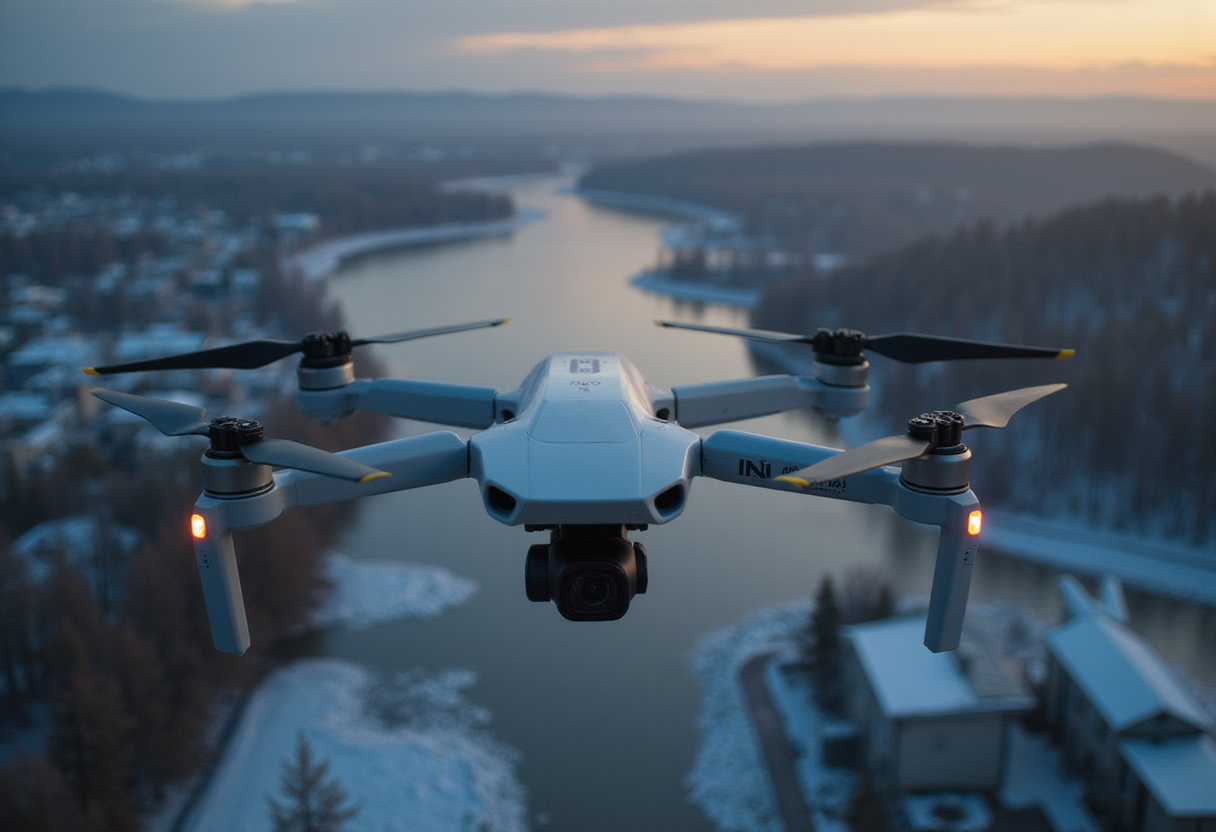
Finland and Ukraine have signed a drone agreement that covers technology transfer and joint industrial projects, according to a report from Informat.ro. The deal establishes a formal channel for cooperation between the two countries in unmanned aerial systems at a moment when both are scaling domestic drone production capacity.
The agreement names two concrete mechanisms: technology transfer and joint industrial projects. Technology transfer provisions matter for R&D managers because they define what intellectual property, design documentation and manufacturing know-how can move between Finnish and Ukrainian entities. Joint industrial projects, the second component, point to co-production or co-development arrangements rather than purely academic collaboration, although the source does not specify which companies, ministries or research institutes will participate.
Ukraine brings to the agreement the fastest-iterating drone development environment in Europe, driven by wartime operational demands. Finnish industry and research organisations, in turn, offer manufacturing standards, export control frameworks and integration pathways into European supply chains. For portfolio planners at European defence-adjacent R&D organisations, the pairing suggests a route to field-tested designs moving into NATO-standard production, though the source provides no timelines, budget figures or procurement volumes to confirm the scale of that ambition.
The source report gives no details on the signing date, the government bodies involved, or the financial terms. That absence leaves open key questions for anyone assessing the agreement's practical impact: whether the technology transfer is bidirectional, which export-control regime will govern transfers from Finland, and whether Ukrainian manufacturers will gain access to Finnish components or only to production licenses. Each of these points determines whether the deal produces tangible industrial output or remains a statement of intent.
Precedent suggests the industrial-project component could move quickly if the signatories treat it as urgent. Ukraine has scaled drone output to millions of units annually under wartime conditions, and several European governments have signed similar bilateral defence-industrial agreements over the past two years. Finland, which shares a long border with Russia, has increased its own defence procurement budgets since joining NATO in 2023, and drone capability sits high on its acquisition priorities.
For R&D managers tracking the sector, the agreement signals that Eastern European drone development is consolidating into formal state-backed partnerships rather than remaining a patchwork of battlefield improvisation and volunteer workshops. Vendors and research institutes positioned in either country should watch for follow-on announcements identifying participating companies, funding allocations and initial project scopes, which will indicate whether the deal translates into contracted work.
The agreement's next test will come in implementation: the first named joint project and the first completed technology transfer will show whether Finnish-Ukrainian cooperation delivers measurable industrial results or stays at the memorandum stage.
via Google News: Technology transfer (Source)
Filed under
- drones
- finland
- ukraine
- defence-r-d
- technology-transfer
More from Amara Osei
References
- Kazakhstan Courts Danish Partners for Joint Projects, Technology Transfer
- EU Puts Another €1 Billion Into Collaborative Defence R&D
- EU technology transfer regime: licensing rules face rewrite
- EU Rolls Out Revised Technology Transfer Block Exemption Regulation
- Army Tech Transfer Specialist Recognized for Industry Partnership Push