Proceedings · Session S-159 · filed October 10, 2026
Research Funding & PolicySession paper
Federal Lab Equipment Sales Created Bioterrorism Risk, Report Finds
A report covered by CIDRAP says federal sales of surplus laboratory equipment exposed the US to a 'severe bioterrorism threat,' raising disposal-policy questions.
By Tom Whitfield2 min read474 words
Summary
- A report says federal agencies sold lab equipment that exposed the US to a 'severe bioterrorism threat'
- The finding was reported by CIDRAP
- The risk centers on the disposal and resale pathway for decommissioned laboratory hardware
- The report implies gaps in vetting of buyers and items in federal surplus-property sales
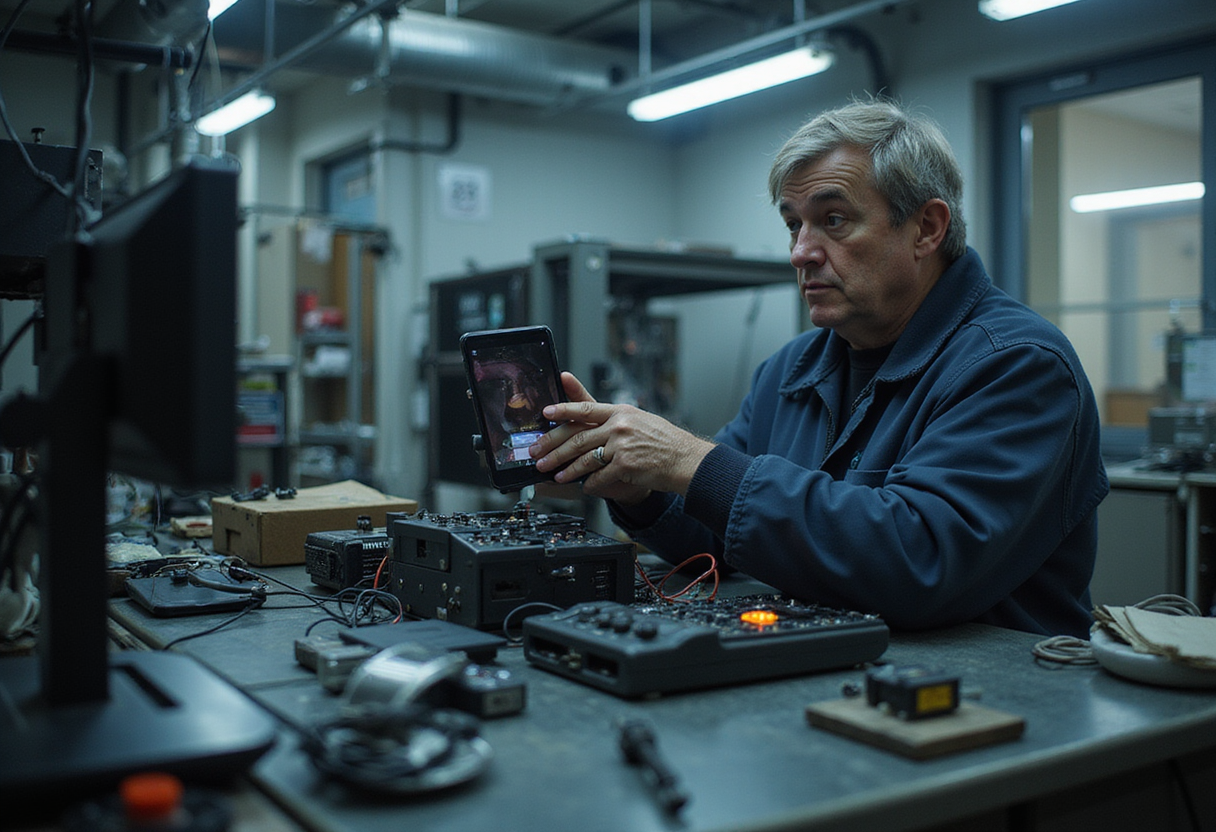
The US government sold laboratory equipment through surplus-property channels in a way that exposed the country to a "severe bioterrorism threat," according to a report covered by CIDRAP.
The finding puts a routine corner of federal asset management — the disposal and resale of decommissioned laboratory equipment — into the category of national security risk. For R&D managers at federal, university and contractor labs, the report turns a mundane end-of-life workflow question into a compliance and security one: what happens to biosafety cabinets, incubators, centrifuges and related apparatus after a lab closes or upgrades?
What does the report allege?
The report asserts that federal agencies sold off laboratory equipment without adequate safeguards against misuse. The specific phrase flagged — a "severe bioterrorism threat" — indicates the authors judged the potential for malicious repurposing of that equipment as significant, not theoretical.
The concern is not the equipment itself in most cases. Dual-use laboratory hardware is commercially available on the open market. The risk the report identifies lies in how the federal disposal process handled it: which items went to sale, who could buy them, and what vetting occurred before transfer.
CIDRAP's coverage did not specify in the headline summary the exact agencies, inventory categories or number of transactions involved. Readers evaluating procurement and disposal policy should treat the underlying report as the primary source for those details.
Why equipment disposal matters in biosafety
Laboratory equipment disposal sits at an awkward intersection of several regimes that most institutions manage separately:
- Surplus-property and asset-recovery rules, which push agencies to recoup value from retired equipment
- Export-control and dual-use screening, where applicable
- Biosafety oversight, which traditionally governs pathogens rather than hardware
A threat assessment focused on the equipment pathway suggests the third leg is the weakest. If someone can acquire, through legal surplus channels, the physical infrastructure needed to handle dangerous pathogens, the barrier to acquiring capability drops even if agent acquisition remains hard.
What should lab and R&D managers watch?
For institutions that buy government surplus or auction equipment, the report raises a due-diligence question in the other direction: provenance documentation may come under new scrutiny, and future federal sales may carry new restrictions or buyer-screening requirements.
For agencies and federally funded labs, the likely policy response is tighter disposition controls — restrictions on what can be sold, documentation of decontamination and destruction, and possibly a ban on resale of certain categories of biosafety-relevant hardware.
The report's headline-level claim has not, in the available coverage, been broken down by sample size, audit scope or methodology. Those details will determine whether the finding reflects systemic failure across federal disposal programs or specific vulnerabilities in particular transactions — a distinction that matters for anyone budgeting for compliance changes.
Expect congressional interest and possible disposition-rule revisions as the report circulates.
via Google News: Laboratory technology (Source)
Filed under
- bioterrorism
- federal-labs
- biosafety
- lab-equipment
- research-policy
More from Tom Whitfield
Show full bio
Senior reporter covering media and advertising at Hypothesis Wire.
190 articles
References
- US Agencies Sold Off Old Lab Equipment, Citing Bioweapon Risk
- Watchdog: HHS, USDA Skip Biosecurity Review of Lab Equipment Sales
- GAO Findings Turn Scrutiny Toward Lab Equipment Resale Practices
- Pentagon Research Infrastructure 'Deteriorating', DoD Report Warns
- Madison man sentenced to one year for smuggling lab equipment to Russia