Proceedings · Session S-158 · filed November 5, 2026
Research Funding & PolicySession paper
Democrats take Congress: scientists see 'a new day' for US research oversight
Democrats won both chambers on 3 November, giving science committees power to grill cabinet secretaries — but two-thirds veto margins mean cuts stay hard to reverse.
By Tom Whitfield3 min read602 words
Summary
- Democrats secured majorities in both the House and Senate in the 3 November mid-terms.
- Zoe Lofgren is expected to chair the House science committee and will scrutinise energy secretary Chris Wright and HHS secretary Robert Kennedy Jr.
- Overturning a presidential veto requires a two-thirds majority in both chambers.
- Several Democratic scientists and engineers backed by 314 Action enter Congress for the first time.
- Analyst David Ives says voter opposition to AI data centres poses 'a big hurdle' to construction plans.
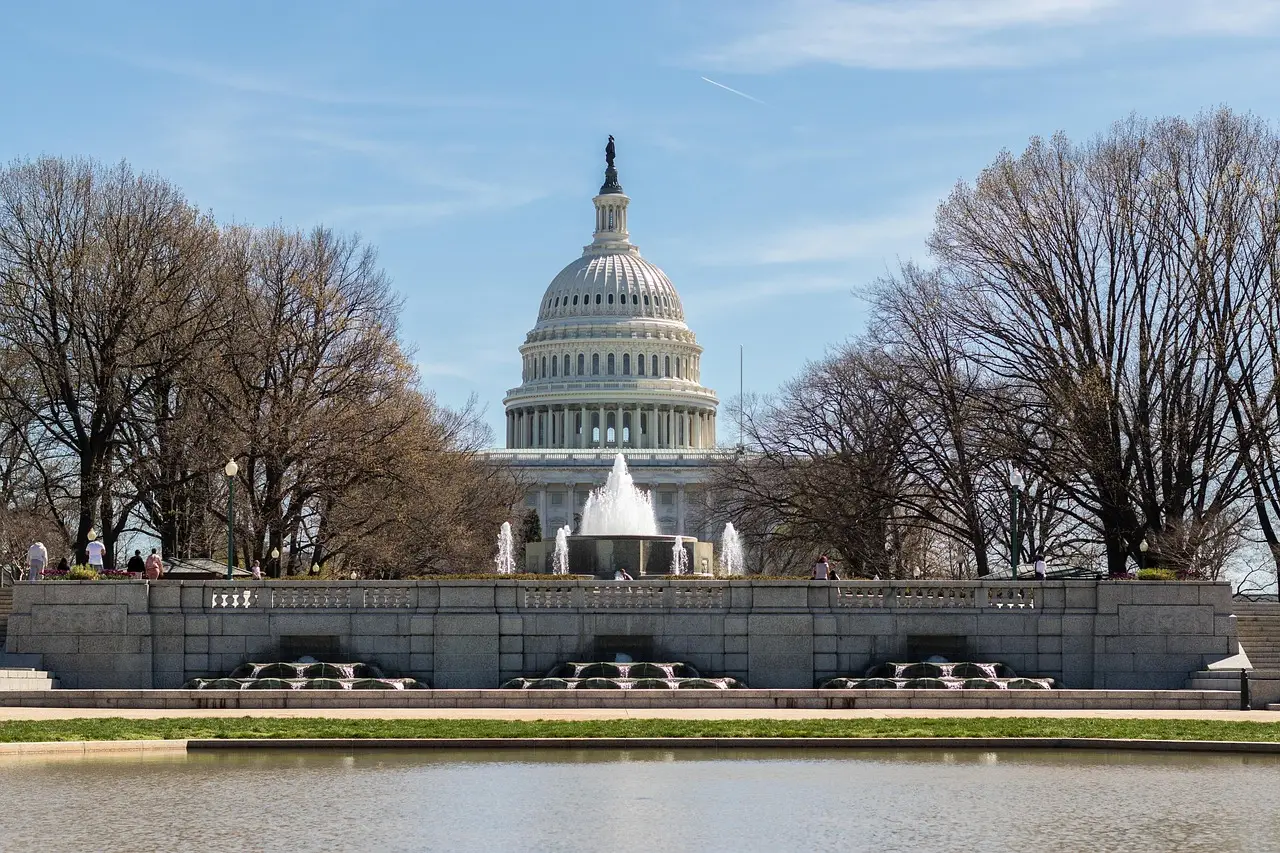
US scientists woke on 4 November to Democratic majorities in both chambers of Congress, an outcome that could block the Trump administration's plan to hand political appointees control of research grants. Americans voted on 3 November. Some seats remain undeclared, but the Democratic party has already secured the House of Representatives and the Senate.
The practical stakes are budgetary and procedural. Democratic control of Congressional committees restores the power to summon cabinet department leaders and interrogate their policies and spending — a capability, observers note, that Republican majorities declined to use over the past two years.
Who will face scrutiny?
California Democrat Zoe Lofgren, expected to chair the House science, space and technology committee, has already warned that she will put cabinet members under strong scrutiny. Her named targets include energy secretary Chris Wright and health and human services secretary Robert Kennedy Jr. For R&D managers, that means agency budgets, grant-making processes and personnel decisions at the Department of Energy and HHS — including NIH — will face sustained public questioning.
Committees will also gain newly elected Democratic members with technical credentials. Several scientists, engineers and medical professionals, backed by the pressure group 314 Action, are entering Congress for the first time. That influx matters for anyone pitching technical arguments on Capitol Hill: committee staff and members will increasingly include people who can read a methods section.
The election also shifts pressure onto two specific fronts. The administration's dismissal of the global impact of climate change will come under challenge from the new majorities. Separately, voters in several states signalled opposition to the huge data centres the AI industry is building. David Ives, an analyst at research company Yorkville Ives, notes that opposition could present "a big hurdle" to future construction plans — a warning shot for anyone budgeting compute expansion in the US.
What did scientists actually say?
Gretchen Goldman, president and chief executive of the Union of Concerned Scientists, calls the results "a new day" in Washington. "There are huge opportunities for science, for democracy, for getting accountability for these attacks on science that we've seen. We are keen to get to work pushing back," she says.
Former US presidential science adviser Neal Lane backs that read. "Democracy is still alive in this country, and American science can start to repair and rebuild," Lane said. "Merit peer review, not political ideology, will, again, ensure progress in science."
Note who these speakers are. Both lead advocacy organisations or held office under previous administrations; neither is a dispassionate observer. Their claims of repair are projections, not measured outcomes.
Can Congress actually reverse the cuts?
Here the numbers get unforgiving. Overturning a presidential veto requires a two-thirds majority in both the House and Senate. Trump signalled his stance before the election by sharing an image on social media of a red cap bearing the word "VETO". The remaining Republicans in both houses are unlikely to supply the votes needed.
Lane expects "more mischief" from Republicans. "I don't expect them to suddenly discard their ideological destructive behaviour," he says. His bottom line for research budgets: funding no longer faces steep cuts, but real growth will still be "very difficult" to achieve.
The realistic picture, then, is containment rather than restoration. Democratic committees can investigate, publicise and legislate, but agency-level policy on grant control may survive through veto power alone. Research administrators planning multi-year budgets should treat the mid-terms as protection against further cuts, not as a windfall — with the first test likely coming when the new Congress organises its committees and summons Wright and Kennedy Jr. to testify.
via lofgren.house.gov (Original)
Filed under
- us-science-policy
- research-grants
- congressional-oversight
- federal-r-d-budgets
- nih
More from Tom Whitfield
Show full bio
Senior reporter covering technology and product news in research and development at Hypothesis Wire.
234 articles
References
- Lofgren Accuses Administration of Politicizing Research Funding
- Democratic Congress Could Reshape US Science Policy
- McNutt Warns 100,000 Agency Staff Losses as White House Targets Peer Review
- White House budget chief presses for NIH grant scrutiny in Oval Office clash
- OSTP Opens Rare Policy Window: Federal Research Overhaul RFI Closes Dec. 26