Proceedings · Session S-816 · filed October 14, 2026
Research Funding & PolicySession paper
Congress Rejects Trump Science Cuts, But Seeks Its Own Reductions
Congress voted down the Trump administration's massive science-budget cuts, but lawmakers are still calling for substantial decreases of their own, Nature reports.
By Tom Whitfield3 min read553 words
Summary
- US lawmakers voted to reject the Trump administration's proposed science-budget cuts, Nature reports
- The same lawmakers called for substantial decreases to science funding of their own
- Final agency spending levels remain undecided pending the appropriations process
- The administration's request had proposed massive reductions across federal science agencies
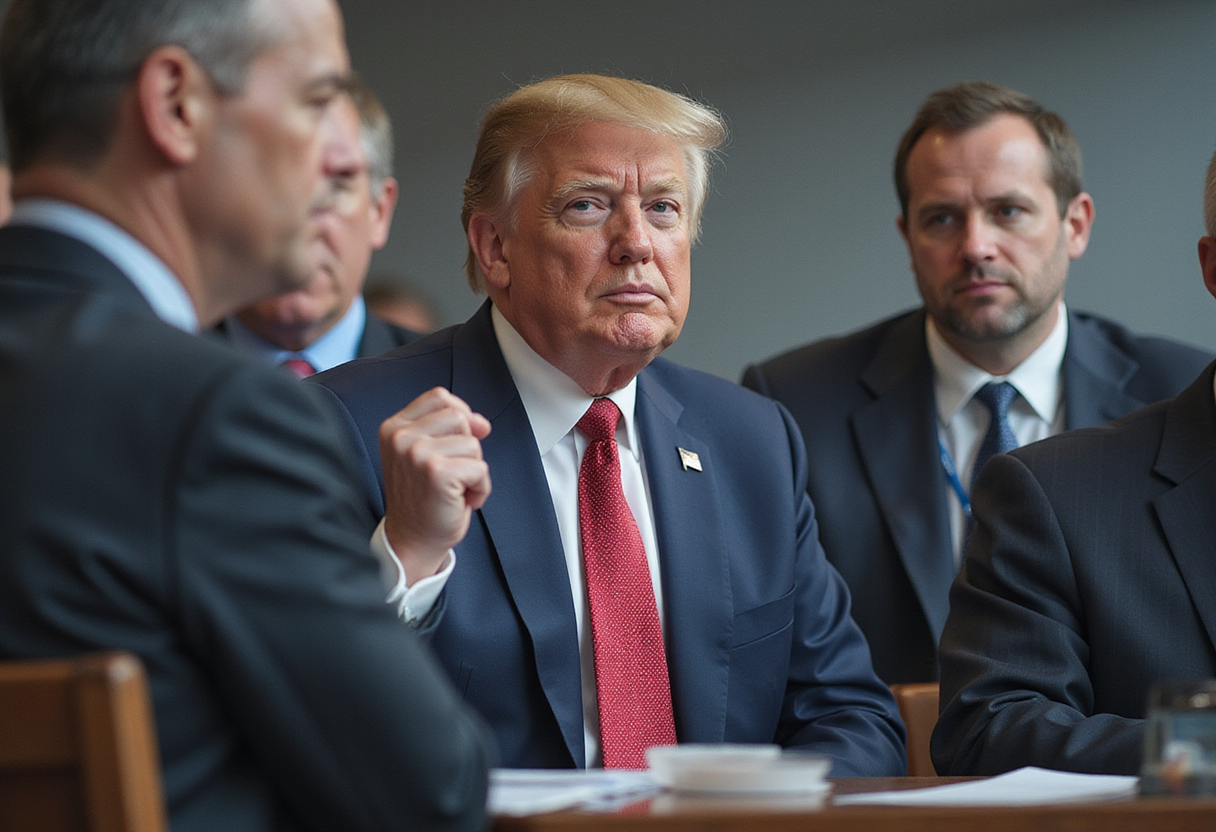
US lawmakers have voted to reject the Trump administration's proposed cuts to federal science budgets, according to a report by Nature — but the same vote signals that federal research funding will still shrink, just by less.
That's the headline fact. The administration asked for what Nature describes as massive reductions across science agencies. Congress said no. Yet legislators paired that rejection with language calling for substantial decreases of their own, leaving research institutions caught between two versions of austerity.
What did lawmakers actually reject?
The administration's budget request, as characterized by Nature, targeted the federal science enterprise with cuts large enough to force programme closures and reshape agency portfolios. For R&D managers at universities and national laboratories, a request of that scale reads as an existential threat rather than a negotiating position — hiring freezes, grant pipeline disruptions, and instrument procurement delays typically follow budget uncertainty of this magnitude.
Congress's vote rejects that request. The specific agency-by-agency figures will emerge in the appropriations process that follows, and the details matter: a 5% cut and a 30% cut produce very different lab-planning conversations. What's clear from the vote is the direction. Lawmakers declined to endorse the administration's full ask.
Why call for decreases anyway?
Here's the tension. Rejecting massive cuts is not the same as protecting current spending. The same lawmakers who refused the administration's numbers are on record seeking substantial decreases of their own, Nature reports.
For research administrators, that distinction is the whole story. A budget that falls less steeply than proposed still falls. Principal investigators planning multi-year projects, facilities managers scheduling major equipment purchases, and institute directors mapping hiring all face the same question: how much smaller, and on what timeline?
The vote suggests the final appropriations will land somewhere between the administration's request and current funding levels. Where exactly remains unresolved until lawmakers write the spending bills.
What does this mean for lab planning?
Federal science funding drives a large share of university research and the national lab system. When the appropriations direction is downward — even modestly downward — the practical consequences show up quickly:
- Grant success rates tighten as agency budgets compress
- Multi-year awards face renewal scrutiny
- Equipment and instrumentation budgets get deferred first
- Hiring and postdoc recruitment slow until funding clarity returns
None of these outcomes requires the full administration ask. Substantial decreases, as lawmakers themselves propose, produce each of them in proportion.
Who is watching what happens next?
The appropriations process now determines the real numbers. Committee markups, floor votes, and any negotiation between Congress and the White House will set actual agency topline figures for the coming fiscal year.
Research advocates and university associations typically treat this phase as decisive, because topline numbers fixed in appropriations bills translate directly into grant competitions, facility operations, and workforce decisions months later.
The administration, for its part, retains veto leverage. A congressional rejection of its cuts does not guarantee final spending levels; it opens a negotiation in which the White House's preference for steep reductions remains on the table.
Nature's reporting frames the vote as a split verdict: massive cuts refused, substantial decreases endorsed. Watch the appropriations markups for the numbers that will tell laboratories which version of that verdict they must budget against.
via Google News: Research funding & science budgets (Source)
Filed under
- federal-science-funding
- us-congress
- trump-administration
- research-grants
- fiscal-policy
More from Tom Whitfield
Show full bio
Senior reporter covering technology and product news in research and development at Hypothesis Wire.
207 articles
References
- US Congress set to reject Trump's sweeping science budget cuts
- Congress Rejects Trump's Proposed Cuts to Science Funding
- FY27 budget request halves NSF, trims NIH 12% and NASA 23%
- White House Science Report Urges Cutting University Research Funds
- Congress Rolls Back Most of Trump's Proposed Science Funding Cuts