Proceedings · Session S-879 · filed November 11, 2026
Corporate & Industrial R&DSession paper
BRAC’s solar pump vehicle targets diesel use in Bangladesh farms
BRAC says a three-wheeled solar pump can irrigate 1 hectare daily for about US$0.80, versus US$8 with diesel, but the source omits test methods, funding and deployment targets.
By Rebecca Stone4 min read818 words
Summary
- BRAC estimates Ponkhiraj can irrigate 1 hectare per day for about US$0.80.
- A diesel pump for the same period costs roughly US$8, according to BRAC.
- The 3.3-kW solar array powers a 3-hp pump with a maximum stated flow of 60,000 liters per hour.
- More than 80% of rural Bangladeshi irrigation pumps run on diesel, BRAC reports.
By Rebecca Stone
BRAC says its Ponkhiraj solar irrigation vehicle can water approximately 1 hectare per day for about US$0.80, against roughly US$8 for a diesel pump over the same period.
BRAC develops the three-wheeled system to reduce dependence on imported diesel and ease access to irrigation during dry seasons. It provides no test sample, operating-hour assumption, fuel-price baseline or independent validation for its cost estimate, so R&D and procurement teams should treat the figure as a reported estimate, not a guaranteed operating quote.
What does the vehicle consist of?
BRAC has adapted an electric Tempu, a people- and cargo-hauler widely used in Bangladesh, as the platform. The name Ponkhiraj refers to a flying horse in Bangladeshi folklore, while the operating hardware consists of a pump, batteries and fold-out photovoltaic panels, which convert sunlight into electricity.
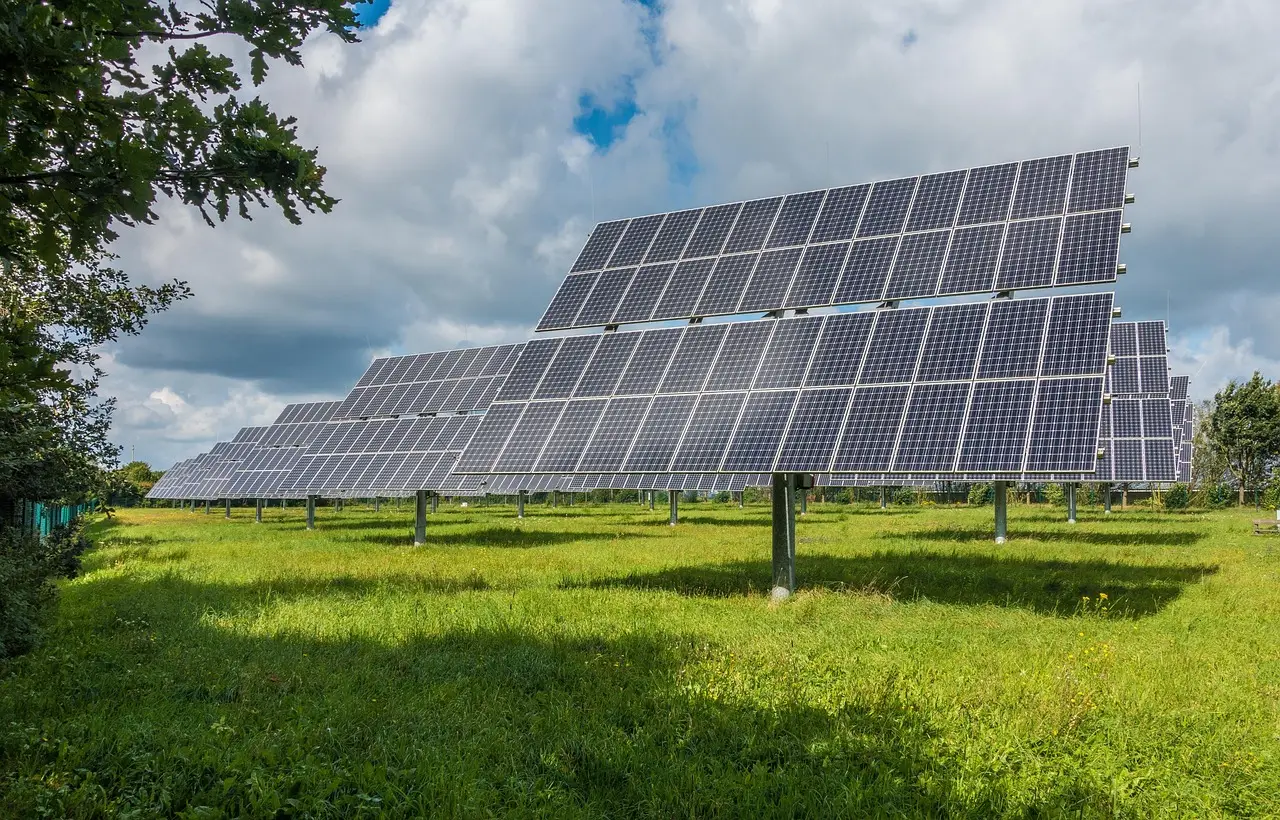
- A 3.3-kW array of monocrystalline solar panels (single-crystal photovoltaic modules) folds out on both sides when the vehicle stops.
- A hybrid controller, which manages the available power sources, supplies a 3-hp pump.
- The pump draws water from a nearby canal, lake or other source and delivers up to 60,000 liters (15,850 US gallons) per hour onto fields.
The 60,000-liter figure is a maximum hourly delivery rate, not a stated daily volume. BRAC does not publish the pump’s daily runtime, field conditions or test protocol, so the reported one-hectare result cannot be reconstructed from the information provided.
How does the configuration reach the field?
The three-wheeler can travel along narrow rural roads, moving from farm to farm and stopping at field edges to irrigate as it goes. For agricultural-service operators, the design makes a mobile pumping unit available in place of requiring a fixed pump at each site.
Deploying the panels at each stop addresses two operational constraints at once: the vehicle must reach dispersed plots, and the pump must obtain water from a nearby source. The design therefore depends more on routing and water-source access than on the vehicle carrying a large tank.
Why does BRAC emphasize diesel?
BRAC reports that more than 80% of pumps used by rural farmers in Bangladesh run on diesel, with almost all of that diesel imported. Farmers have used pumps to irrigate during the dry season, but the organization says fuel affordability has become sufficiently severe that many can no longer operate them.
The statistic carries no survey date, sample size or regional breakdown in the source material, so it cannot establish how representative the estimate is across Bangladesh’s farming regions.
BRAC links the sharper affordability problem to the current U.S.-Israel-Iran conflict, which it says has sent fuel prices soaring. It supplies no dated price series or independent market analysis for that claim, so an investment case should not use the conflict narrative as a substitute for local fuel-price and procurement data.
What does the operating-cost claim establish?
The cost comparison rests on two figures: approximately US$0.80 for a day of irrigation over 2.5 acres (1 hectare), and roughly US$8 to run a diesel pump for the same period. BRAC does not disclose diesel-pump efficiency, the local diesel price used, maintenance allocations or whether the solar figure includes labor and battery replacement.
Without those inputs, the numbers cannot establish a full lifecycle cost, payback period or capital threshold for fleet procurement. They indicate a potential operating-cost advantage, but an organization considering Ponkhiraj would still need purchase price, expected service life and financing terms.
BRAC also states that Ponkhiraj produces no toxic exhaust and no carbon emissions during irrigation. The statement covers field operation, not manufacturing, panel replacement or battery disposal, because the source gives no lifecycle accounting.
Its batteries can also serve as a mobile power hub, meaning a portable source of stored electricity for other needs. The source provides no battery capacity, output rating or storage duration, so this secondary application remains unquantified for budget planning.
What happens before wider deployment?
BRAC is building more units and aims to introduce the technology in developing nations outside Bangladesh. Those plans remain intentions: the source gives no production count, manufacturing cost, deployment date, target country or adaptation requirements for different climates, water sources and pump duties.
The organization identifies itself as the developer and sole stated source of performance data. It discloses no external grant, investor, subsidy or revenue model, leaving vehicle price, service financing and maintenance responsibility unresolved for portfolio planning.
A useful next step would require field logs covering actual liters delivered, pump runtime, battery degradation, labor, avoided diesel use and equipment uptime. Those measurements would turn BRAC’s headline cost estimate into an auditable operating benchmark.
If BRAC publishes those records and comparable diesel baselines, operators will be able to test whether the reported cost advantage survives at commercial scale.
via newatlas.com (Source)
Filed under
- solar-irrigation
- solar-powered-vehicles
- agricultural-machinery
- diesel-substitution
- bangladesh
More from Rebecca Stone
Show full bio
Market editor covering regulation, policy and their impact on research and development at Hypothesis Wire.
245 articles