Proceedings · Session S-355 · filed October 10, 2026
Innovation ManagementSession paper
AZoM Flags Waste-Milk-Protein Materials, but Source Yields Only a Headline
AZoM has published a headline claiming waste milk proteins were turned into sustainable materials, but the article body was absent from the feed. Researchers awaiting method, scale, and cost details should treat the claim as unverified.
By Tom Whitfield2 min read403 words
Summary
- Only a headline and publisher name (AZoM.com) were delivered in the source feed; no body text, author, or institution was included
- The claim concerns transformation of waste milk proteins into sustainable materials, with no specified protein type, route, or output
- No funding figure, trial date, or measured performance specification accompanied the headline
- AZoM typically publishes contributed, non-peer-reviewed content, so the item functions as a lead rather than a confirmed result
- Verification of method, scale, cost benchmark, and regulatory status would be required before R&D portfolio action
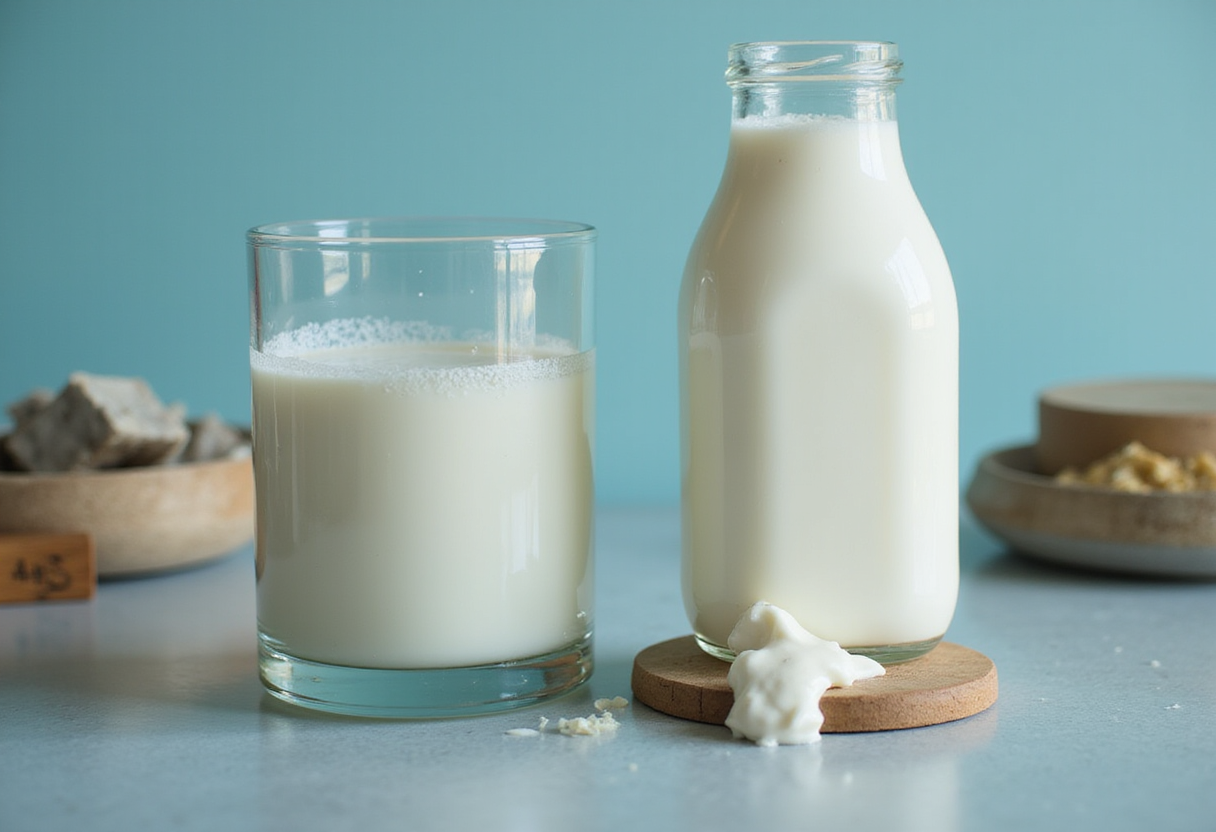
AZoM.com has published a headline claiming that waste milk proteins have been transformed into sustainable materials, but the article text behind that headline was not included in the feed received by Hypothesis Wire. As of this writing, no author byline, institutional affiliation, funding source, processing route, or performance metric accompanies the claim.
For R&D managers tracking bio-based feedstocks, the headline alone raises immediate verification questions.
What does the source actually say?
The only verifiable content is the title string: "Waste Milk Proteins Transformed Into Sustainable Materials," distributed via an AZoM.com Google News RSS item. AZoM (Azom.com) is a materials-information publisher that typically commissions contributed pieces from researchers or industry suppliers. The feed wrapper contained no body copy, no figures, and no quoted statements.
In practical terms, the headline is a press-release-grade claim awaiting primary evidence.
What would a working R&D manager need next?
A senior R&D reader evaluating this item for portfolio purposes would normally request the following before committing bench time or budget:
- Protein identity: casein, whey, or a mixed dairy-stream fraction — each carries different separation costs, film-forming behavior, and regulatory status (especially under EU and US food-contact rules).
- Source of the waste stream: cheese whey, ultrafiltration permeate, or expired retail milk. Volumes and contamination profile drive unit economics.
- Conversion route: extrusion, solvent casting, crosslinking chemistry, or composite blending with cellulose, chitosan, or PLA.
- Measured specifications: tensile strength, modulus, barrier properties (oxygen transmission rate, water vapor), and any biodegradation claim with a referenced standard (e.g., ISO 17556, ASTM D6400).
- Scale and partner: laboratory coupon, pilot-line metres, or commercial tonnes; and whether the work is academic, a startup venture, or a dairy-processor R&D group.
- Cost benchmark: $/kg of finished material against the incumbent polymer it would displace.
Why the source matters for readers
AZoM's contributor model means headlines often track early-stage academic or industrial announcements that have not yet been peer-reviewed. The publisher's value lies in surfacing leads; the reader's job is to confirm provenance, sample size, and any disclosed limitations before treating the claim as portfolio-relevant.
What to watch
A follow-up retrieval of the underlying AZoM article — or the institutional press release it derives from — would supply the missing author, institution, processing route, and any quantitative result. Until that retrieval, the item remains a flag, not a finding.
via Google News: R&D funding (Source)
Filed under
- bio-based-materials
- r-d-management
- materials-science
- waste-valorization
- source-verification
More from Tom Whitfield
Show full bio
Senior reporter covering media and advertising at Hypothesis Wire.
190 articles
References
- A headline with no numbers: what 'Surviving the research funding crisis' can and cannot tell R&D managers
- CERN photo exhibition covers tech transfer to industry
- Source body empty — article cannot be authored from provided data
- Structuring Tech Transfer: PharmTech Spotlights Collaboration as the New Default
- Vaccine Makers Pull Back R&D Spending as Federal Support Falters