Proceedings · Session S-498 · filed October 20, 2026
Research Funding & PolicySession paper
Australian Manufacturers Face a Widening Menu of Grant Options
Manufacturers' Monthly surveys grant programs open to Australian manufacturers, urging firms to build public co-funding into expansion planning.
By Rebecca Stone4 min read701 words
Summary
- Manufacturers' Monthly published a roundup of grant opportunities for Australian manufacturers seeking growth funding.
- The programs span capital investment and capability building, with federal and state instruments operating in parallel.
- The source does not disclose pool sizes, deadlines or success rates for the programs covered.
- Most Australian manufacturing grants require demonstrable co-investment from applicants.
- Readers must verify current round details and eligibility directly against program guidelines.
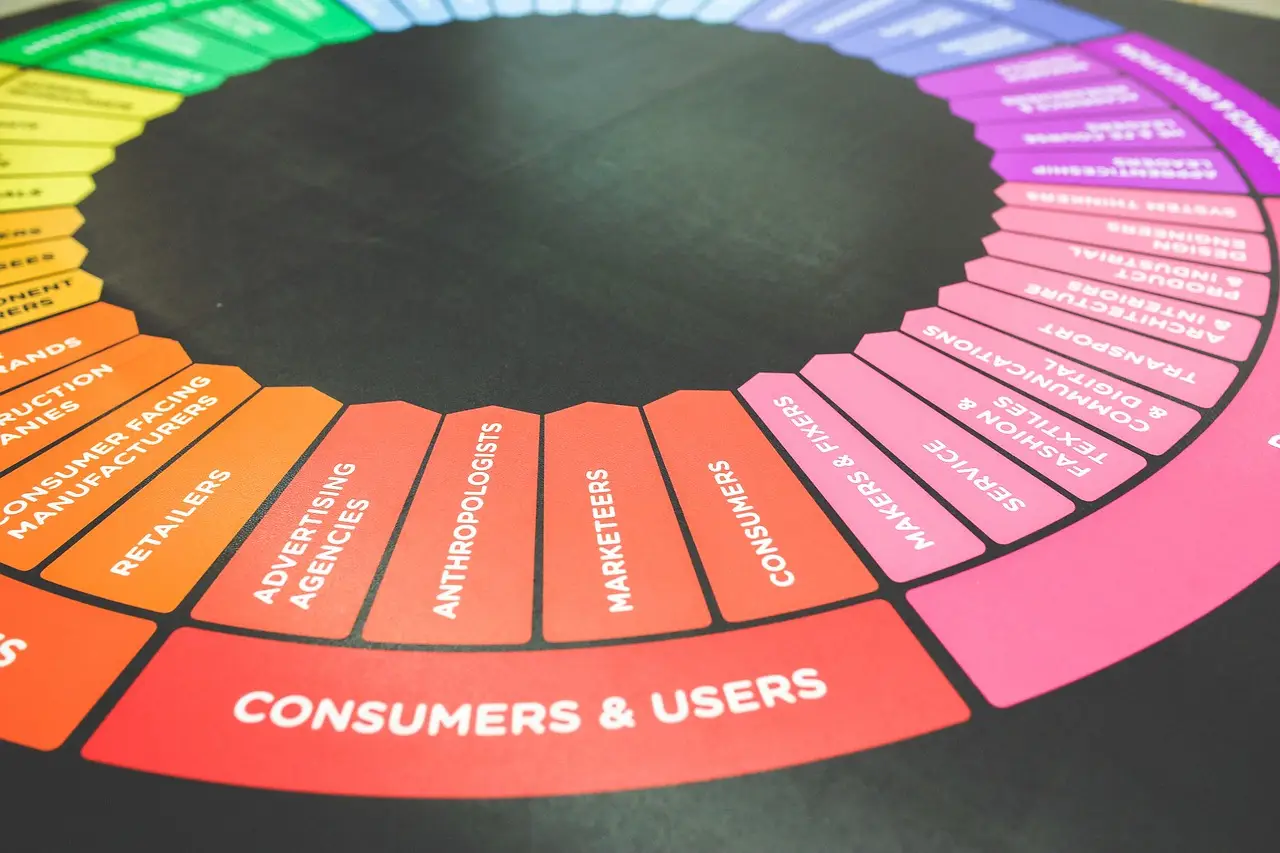
Australian manufacturers now have access to a broader set of grant programs aimed at funding growth, according to a roundup published by Manufacturers' Monthly. The publication's review frames the current moment as one in which manufacturers — including those running internal R&D or process-development functions — should treat public funding as a deliberate part of their capital planning rather than an afterthought.
The source item is a survey of opportunities rather than a report of a single award, so this analysis focuses on what the roundup tells R&D managers about where to direct application effort, and what it cannot yet tell them.
What does the roundup actually cover?
Manufacturers' Monthly, a trade publication serving the Australian manufacturing sector, compiled the overview of grant opportunities under the heading of funding growth. The core claim is structural: multiple programs exist simultaneously, and manufacturers that map their project pipeline against those programs can offset a meaningful share of expansion costs.
The roundup sits within a policy context that readers outside Australia should understand briefly. The federal government has, over several years, positioned manufacturing capability as a strategic priority, and grant instruments have followed that positioning. States run parallel schemes. A manufacturer planning a new production line, a pilot facility or an equipment upgrade may therefore find itself eligible for more than one program at a time, with different co-contribution requirements and different reporting obligations.
Why does this matter for R&D and process teams?
Grant timing shapes lab and plant workflow. A co-funded capital grant, for example, can pull forward an equipment purchase that would otherwise wait for the next budget cycle. It can also constrain it: most Australian manufacturing grants require the applicant to demonstrate co-investment, defined as the recipient's own cash contribution to the project, and to commit to milestones that a purely internal project would not carry.
For R&D managers, the practical questions before applying are threefold:
- Does the project timeline survive the assessment period? Grant rounds typically impose waiting windows between application and award.
- Can the organisation fund the project if the grant fails? Funders generally prohibit starting committed work before approval.
- Does the reporting burden — milestone reporting, audited expenditure — fit the team's administrative capacity?
The roundup's implicit argument is that manufacturers under-apply, not that they over-apply. That claim is common in government-facing economic development commentary and deserves scrutiny: application effort is not free, and unsuccessful applications consume engineering and finance time. Managers should weigh the probability of success, which funders often publish as historical success-rate data, before committing staff hours.
What should readers treat with caution?
The source item is a listing and summary, not an evaluation. It does not report:
- Total funding pool sizes for the programs named.
- Success rates or typical award amounts.
- Deadlines for current rounds.
- Which programs are newly opened versus long-standing.
Those gaps matter for portfolio decisions. A grant program with a large pool and a low success rate rewards a different application strategy than a small, targeted program with high approval odds and tight eligibility rules. Readers should verify current round details, closing dates and eligibility criteria directly against program guidelines before building them into project budgets.
There is also a familiar funding-source dynamic at work. Publications serving a manufacturing audience have a commercial interest in drawing readers toward growth-related content, and government agencies have an interest in publicising programs to hit participation targets. Neither interest invalidates the information, but both argue for treating headline framing — "opportunities" — as marketing language until the underlying program terms are read.
What is the practical next step?
For Australian manufacturers with shovel-ready expansion, equipment or capability projects, the immediate action is a mapping exercise: list each planned project, its capital requirement and its start window, then match those against the programs in the roundup and the associated guidelines. Firms without a current project pipeline gain little from applying, since most programs fund defined activities rather than general capacity.
The wider signal is that public co-funding for Australian manufacturing remains available and actively promoted; whether any individual firm captures it depends on preparation that begins well before a round opens.
via Google News: R&D funding (Source)
Filed under
- australian-manufacturing
- government-grants
- r-d-funding
- manufacturing-grants
- capital-planning
More from Rebecca Stone
Show full bio
Market editor covering regulation, policy and their impact on research and development at Hypothesis Wire.
216 articles
References
- South Australia Launches $8 Million Fund for Farming Innovation
- Australia Opens Consultation on National Research Infrastructure Future
- States Weigh Own Science Funding as Federal Research Outlook Dims
- Auchincloss Bundles Research Funding, FDA Reform, and Biotech Competitiveness into One Federal Agenda
- Dedicated R&D funding anchors UK push for regional growth