Proceedings · Session S-741 · filed November 20, 2026
Research Funding & PolicySession paper
African Bloc Demands Climate Finance Delivery at COP31 Endgame
African negotiators at COP31 in Antalya demand delivery on Paris Article 9 finance, warning reform talks must not replace obligations owed. "The journey starts now, but the fight isn't over."
By Amara Osei3 min read607 words
Summary
- African Group of Negotiators is pressing demands at COP31 in Antalya, Türkiye, as talks enter a decisive stage.
- AGN chair Nana Dr Antwi-Boasiako Amoah said "The journey starts now, but the fight isn't over."
- The Group insists developed countries fulfil financial obligations under Article 9 of the Paris Agreement.
- AGN wants a clear distinction between Article 9 finance and Article 2.1(c) alignment of financial flows.
- Funding, technology transfer and capacity-building are named as conditions for Africa's just transition.
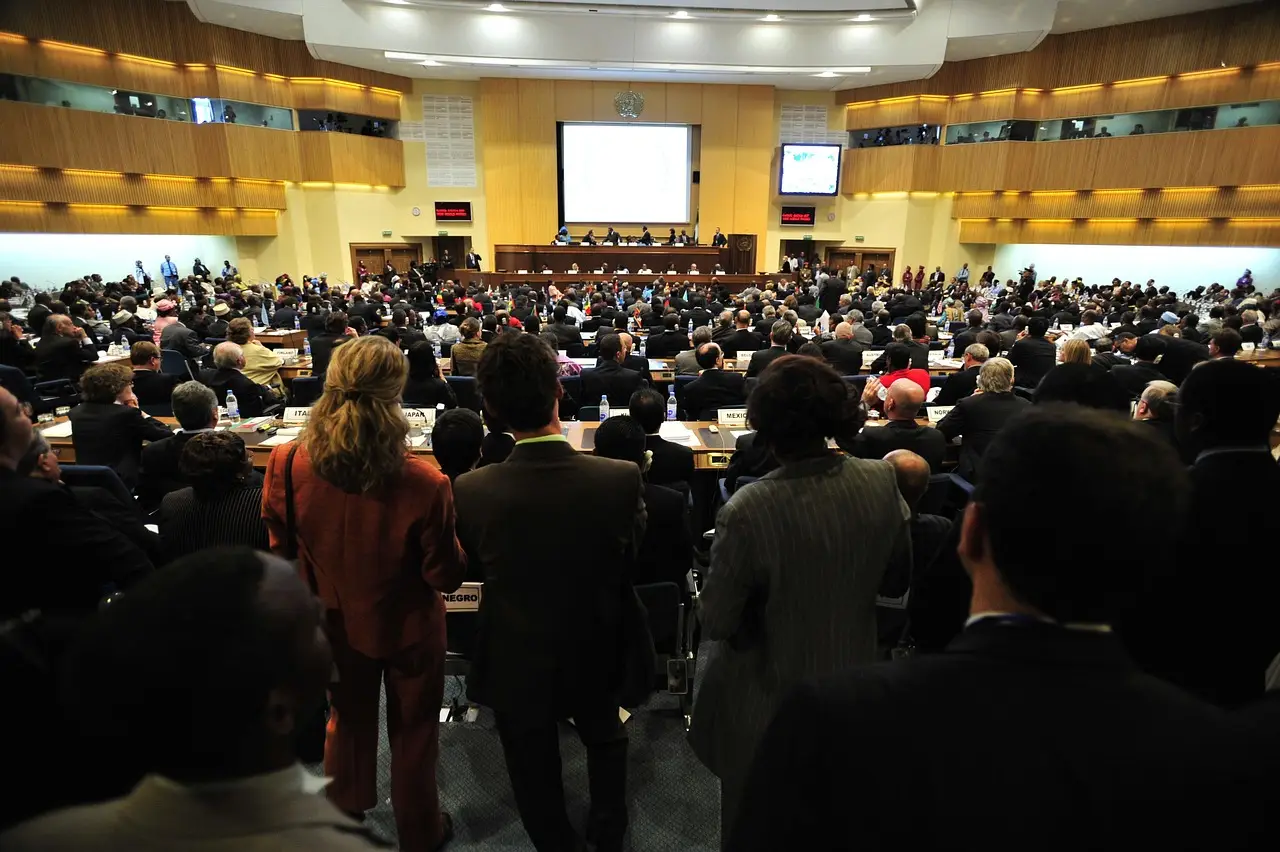
African negotiators have told the 31st United Nations Climate Change Conference in Antalya, Türkiye, that the continent wants binding decisions on finance, adaptation and energy transition rather than another round of unresolved discussion. The African Group of Negotiators (AGN), chaired by Nana Dr Antwi-Boasiako Amoah, is pressing developed countries to fulfil financial obligations it says are already owed under Article 9 of the Paris Agreement.
The stance arrives as talks enter what the Group describes as a decisive stage. Amoah said final outcomes must reflect the differing circumstances of African countries and deliver the resources required to implement climate commitments and protect vulnerable communities.
"The journey starts now, but the fight isn't over," Amoah said, calling for sustained political engagement to resolve outstanding issues before the conference closes.
Where does the money argument actually sit?
Climate finance remains the sharpest point of disagreement. The AGN argues that developing countries need adequate, predictable and affordable funding to carry out their Nationally Determined Contributions (NDCs), national adaptation plans and climate-resilient development programmes. The Group is pushing specifically for stronger delivery of existing commitments, delivered through grants and highly concessional financing rather than market-rate debt.
Amoah drew one line that negotiators and finance ministries will watch closely. Discussions on wider reforms to the global financial system, he said, must not replace the responsibility of developed countries to provide climate finance directly to developing nations. The AGN also called for a clear operational distinction between Article 9, which covers financial support for developing countries, and Article 2.1(c), which seeks to align all financial flows with low-emission, climate-resilient development.
That distinction matters for budget planning. Article 9 obligations are bounded transfers from developed to developing countries; Article 2.1(c) reaches into the entire financial system, and conflating the two could let donors count redirected private capital as assistance.
What is the adaptation ask?
On adaptation, the Group expressed concern about the growing risk of global temperatures exceeding the targets set under the Paris Agreement, and the serious consequences for countries already experiencing climate impacts. Africa, the AGN said, needs increased financial support to strengthen resilience, protect communities and reduce economic losses caused by climate-related disasters.
The Group also called for greater attention to the cost of adapting to higher temperatures and to the capacity of developing countries to respond to worsening climate risks. The source does not quantify that cost, and no aggregate adaptation figure was tabled in the reported statements.
How does the Group frame just transition?
The AGN said the shift to cleaner energy and climate-friendly economies must account for countries' different development needs and available resources. The transition, in its framing, should not focus only on reducing greenhouse gas emissions; it should also create economic opportunities, protect livelihoods and support social development.
The Group identified three enabling conditions as necessary: adequate funding, technology transfer and capacity-building. Without those, African countries risk climate action that undermines development priorities, the AGN argued.
Can COP31 close the gaps?
Amoah said the success of COP31 will depend on the ability of Parties to resolve outstanding issues and agree on decisions that can be put into practice. Africa remains committed to constructive engagement, he said, but expects final decisions to address its priorities: climate finance, adaptation and the means of implementation for climate commitments.
The conference is expected to provide a platform for countries to assess progress and strengthen international cooperation on climate action. What the source does not say is how close parties are on any single number, which leaves the delivery question open as the Antalya talks move toward conclusion.
via ghanabusinessnews.com (Source)
Filed under
- climate-finance
- cop31
- adaptation
- paris-agreement
- just-transition
More from Amara Osei
Show full bio
News editor covering money, funding and market shifts around research and development at Hypothesis Wire.
261 articles
References
- Ghana research fund flags financing and trust gaps — without figures
- Kenya Signs Agreement with Hoover Institution to Boost Research and Policy Dialogue
- South Africa's science minister calls for policy overhaul
- US funding cut strips R2.5bn from South African science, minister says
- Tinubu Pushes New Funding Model for Nigeria's Research Sector