Proceedings · Session S-307 · filed October 16, 2026
Research Funding & PolicySession paper
AAUP Calls for Coordinated Rebuild of US Research Infrastructure
AAUP's new paper, 'Toward the Reconstruction of US Research Infrastructure,' ties lab operations to faculty governance, full indirect cost recovery, and restored federal science appropriations.
By Tom Whitfield4 min read772 words
Summary
- AAUP released 'Toward the Reconstruction of US Research Infrastructure,' a position paper dated to the current policy cycle
- AAUP, founded in 1915, reports roughly 45,000 members across US colleges and universities
- The paper emphasizes restored indirect cost recovery as a core reconstruction demand
- AAUP frames reconstruction as requiring coordination across appropriations, governance and workforce policy
- The paper does not include new measured funding figures and should be read as an advocacy framework, not data
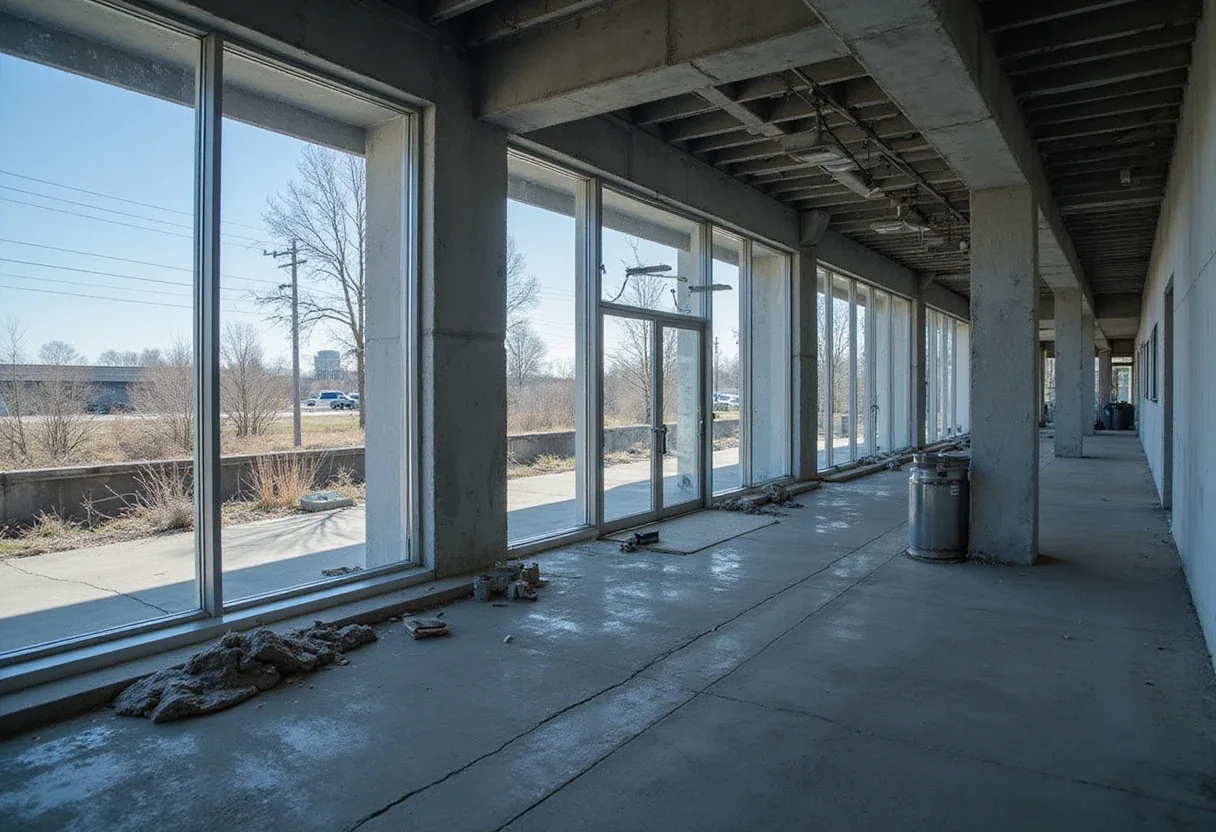
AAUP released a position paper titled "Toward the Reconstruction of US Research Infrastructure," making the case that reversing the contraction of US research capacity demands coordinated federal action, restored full indirect-cost coverage, and explicit protection of faculty governance.
The American Association of University Professors, founded in 1915 and representing roughly 45,000 members across colleges and universities, framed the document as a response to what its leadership describes as a multi-year pullback from federally funded science. The paper does not provide new empirical data; it consolidates AAUP's prior statements on research policy into a single reconstruction agenda.
What does AAUP mean by 'reconstruction'?
In the paper's framing, reconstruction goes beyond restoring prior budget lines. It means rebuilding the institutional scaffolding — shared governance, tenure protections, and stable grant administration — that determines whether appropriated dollars translate into working science. AAUP has long held that research productivity depends on faculty conditions, not just appropriations, a position the organization has pressed in testimony and amicus briefs over the past decade.
The document points to three pressure points: declining real-dollar funding at agencies including the National Institutes of Health and the National Science Foundation, the erosion of negotiated indirect cost rates, and the precarity of contingent and early-career researchers who carry much of the grant writing and lab management load.
Why indirect costs matter for lab budgets
R&D managers reading the paper will find its strongest emphasis on indirect cost recovery, the portion of a grant that covers facilities, administration, compliance and depreciation. When federal agencies cap or delay negotiated rates, university controllers absorb the gap. AAUP argues, based on its published policy statements, that this shift converts fixed institutional costs into unfunded mandates and ultimately slows lab operations.
The paper does not cite a specific dollar figure for the indirect-cost gap. It instead points to the structure of the problem: as the share of research dollars spent on administration grows, the share available for personnel and consumables shrinks. For PIs, the practical consequence is thinner budgets on the direct-cost side, which is where hiring, equipment and reagents sit.
What the paper asks of federal policymakers
AAUP's reconstruction framework rests on four asks:
- Restore agency appropriations to levels that account for inflation since fiscal year 2022
- Honor negotiated indirect cost rates without administrative adjustment
- Reinstate and enforce faculty primacy over research decisions at covered institutions
- Expand federal support for early-career and contingent researchers, who now make up the majority of the academic workforce
AAUP's policy statements over the years have linked these asks together: the organization has consistently argued that funding without governance protections leaves science vulnerable to political shifts, and governance protections without funding leave faculty without the labs to run.
How does this affect R&D managers and principal investigators?
For PIs, the paper is less a technical document than a signal about which institutional allies are likely to weigh in on the next round of appropriations fights. AAUP's advocacy history suggests the group will continue to file comments on proposed indirect cost caps, sponsor faculty statements on tenure-related cases with research implications, and join coalitions opposing cuts to specific institutes.
For R&D directors at universities, the practical implication is that any reconstruction conversation will run through faculty governance channels. That means budget decisions affecting labs — including hiring freezes, equipment purchases and shared-facility allocations — are likely to face shared-governance review in the near term, regardless of the federal appropriations outcome.
For institutional research offices, the paper's emphasis on early-career researchers is the most actionable thread. If AAUP's coalition partners succeed in expanding federal mechanisms for postdocs and early-career faculty, university RO offices will need to stand up new award categories and compliance workflows.
What's missing from the source
The paper itself, as published, functions as a policy framework rather than a data report. It contains no specific funding figures, no trial or licensing milestones, and no measured specifications for instruments or facilities. Readers looking for benchmark numbers on agency budgets or indirect cost rates will need to pair this document with the annual NSF NCSES higher education R&D survey or agency budget tables. Treat AAUP's claims as advocacy positions to weigh against the underlying appropriations data, not as measurements in themselves.
What comes next
AAUP has indicated the framework will inform its federal appropriations testimony for the coming fiscal year. R&D managers tracking the indirect-cost debate should watch for the group's joint statements with peer associations, which historically appear in the weeks before the president's budget request.
via Google News: Research infrastructure & national labs (Source)
Filed under
- aaup
- research-funding
- indirect-costs
- federal-appropriations
- faculty-governance
More from Tom Whitfield
Show full bio
Senior reporter covering technology and product news in research and development at Hypothesis Wire.
220 articles
References
- Trump's $200 Billion Research Reset Redirects Funds Past Universities
- University of Iowa Reports Decline in Federal Research Funding
- Scientists Call Federal Move on Research Funding a 'Power Grab'
- CSU Reports Research Funding Held Steady Year Over Year
- White House Science Report Urges Cutting University Research Funds