Proceedings · Session S-947 · filed November 7, 2026
Research Funding & PolicySession paper
€750,000 research line cannot close Malta's 0.6% GDP gap, scientists warn
The Chamber of Scientists calls Budget 2027's €750,000 research line modest against a shortfall that leaves Malta spending 0.6% of GDP on R&D versus an EU average of 2.26%.
By Priya Raman3 min read675 words
Summary
- Malta spends ~0.6% of GDP on R&D against an EU average of 2.26%.
- Eurostat: Malta's per-capita government research spending is €73.70 vs €288.90 EU average.
- Budget 2027 adds a €750,000 line for the Transdisciplinary Research Programme.
- Only 3.1 of 81.9 percentage points of GVA growth 2015–2025 came from productivity.
- Government research allocation fell from 0.24% of GDP in 2015 to 0.17% in 2025.
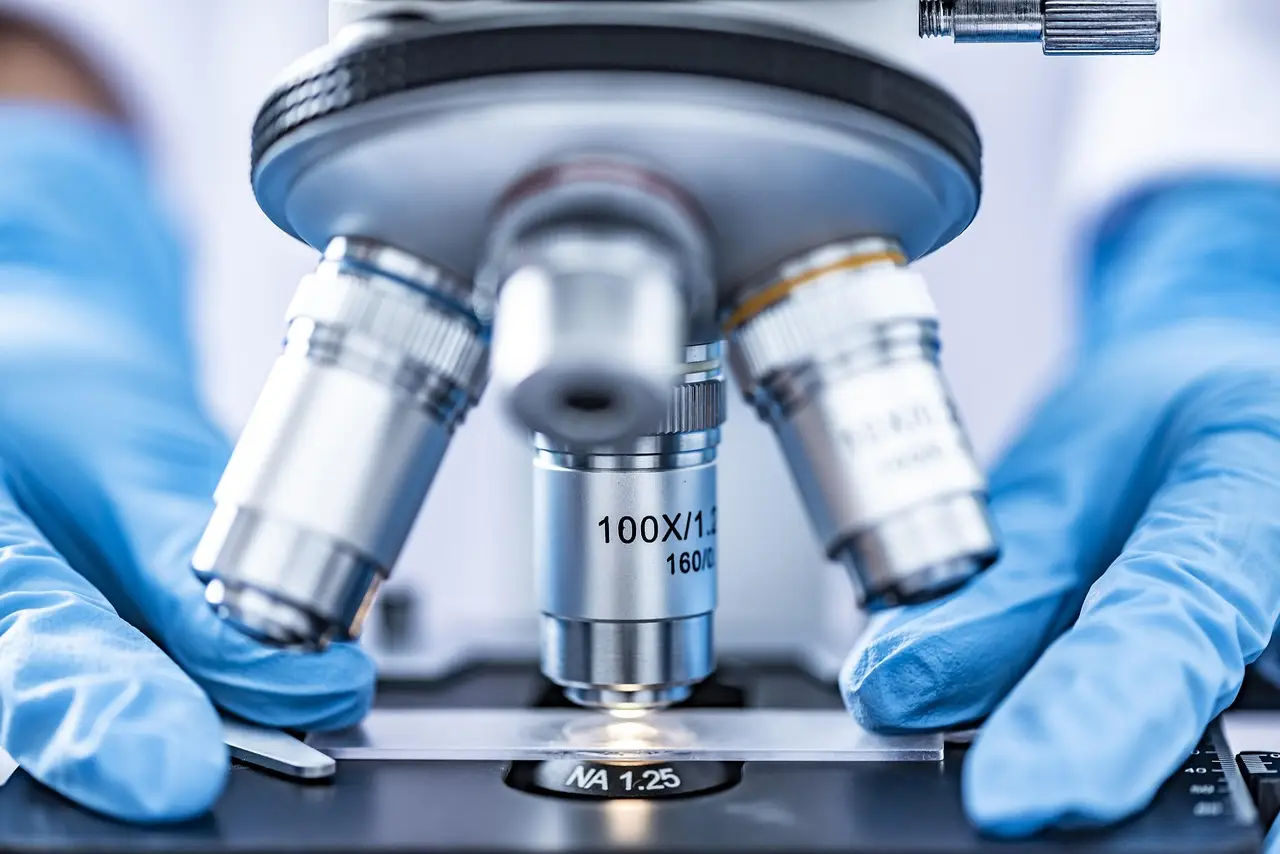
Malta spends roughly 0.6% of GDP on research and development against an EU average of 2.26%, and the Chamber of Scientists says Budget 2027's single new research measure — a €750,000 line for the Transdisciplinary Research Programme — does nothing to close that distance.
The Chamber welcomed the new programme line, acknowledging its value for cross-disciplinary collaboration. But it called the sum "modest" against the scale of the shortfall. On a per-capita basis, Eurostat figures place Malta third from bottom in the EU for government research spending, at €73.70 per person against an EU average of €288.90. Government allocation has fallen from 0.24% of GDP in 2015 to 0.17% in 2025.
What does the criticism target beyond the money?
The Chamber identified two structural problems behind the headline figures. The first is career instability. Short funding cycles and uncertain prospects "undermine talent retention, disrupt research teams and limit the development of expertise," it said. Malta cannot build a stronger research system, the Chamber argued, without offering researchers "a realistic prospect of building their careers here."
The second is the treatment of third-country nationals. The Chamber "condemned" budget measures that impose financial burdens and restrict access to services for non-EU residents. Researchers from outside the EU bring expertise and international connections that strengthen Maltese institutions, it warned. Its intervention aligns with broader criticism from 24 organisations, which described the budget as a "shocking leap towards a country that officially segregates people on the basis of their nationality".
How strong is the economy the budget rests on?
The Chamber framed its warning against a productivity record that headline GDP growth obscures. An "ambition for a more productive, knowledge-based economy must be matched by investment in knowledge," it said.
The underlying numbers explain the concern:
- Labour productivity is projected to rise by just 0.1% in 2026, against 4.4% compensation growth.
- Of the 81.9% increase in gross value added between 2015 and 2025, only 3.1 percentage points came from productivity improvements; 68.9 points came from adding workers.
- Eurostat puts Malta's productivity per hour at roughly 93 against an EU-27 index of 100.
- Real output per hour fell by 0.9% in 2025.
- Value added per worker stands at about €67,000, against €83,000 in the euro area.
The pattern is consistent: growth has come from expanding the workforce rather than from producing more per hour worked. The Chamber's argument is that closing the research funding gap is the mechanism for reversing that balance.
Is this a new warning?
No. The Chamber's intervention follows a documented pattern of appeals. It made a similar statement ahead of Budget 2026, calling for a multi-annual funding roadmap and a national target approaching 3% of GDP. Budget 2027, unveiled since, contains neither the roadmap nor the target, according to the Chamber's reading of the text.
The repeated cycle of annual warnings and annual budgets frames the core dispute. The Chamber argues that one-year funding lines, even useful ones such as the transdisciplinary programme, cannot substitute for a multi-annual commitment. Short cycles translate directly into fixed-term contracts, interrupted experiments and research teams that disperse before expertise accumulates — costs that never appear in a budget document but that shape a country's research capacity for years.
For research managers in Malta, the practical consequences are immediate. A national allocation of 0.17% of GDP, trending downward since 2015, caps the pool available for competitive grants. Measures that raise the cost of employing non-EU researchers narrow an already thin recruitment market. And a productivity growth projection of 0.1% for 2026 weakens the fiscal case for the larger R&D budgets the Chamber is demanding.
The Chamber has not indicated whether it will escalate its campaign beyond the pre-budget submissions. Its stated position remains that a multi-annual roadmap toward 3% of GDP is the minimum condition for Malta to move off the bottom tier of European research funding.
via Google News: Research funding & science budgets (Source)
Filed under
- malta
- research-funding
- r-d-investment
- research-careers
- science-policy
More from Priya Raman
Show full bio
Staff writer covering money, funding and market shifts around research and development at Hypothesis Wire.
254 articles
References
- Germany's Budget Stance Puts EU Research Funding on the Line
- Estonia's R&D Funding May Miss 1% of GDP Target Next Year
- EU commits €411 million to 73 new research infrastructure projects
- €111bn in EU research funding is redrawing Europe's regional innovation map
- Europe Proposes Near-50% Funding Rise to Anchor Global Science